common mistakes in teaching beginner violinists
Rad s početnicima violine jedan je od najosjetljivijih, ali i najutjecajnijih segmenata glazbene pedagogije. Upravo u prvim mjesecima nastave postavljaju se obrasci koji mogu dugoročno podržati ili ozbiljno otežati učenikov tehnički, glazbeni i emocionalni razvoj. Iako su početni satovi često ispunjeni entuzijazmom i dobrim namjerama, u praksi se iznova ponavljaju određene pogreške koje se kasnije teško ispravljaju.
U nastavku donosimo pet najčešćih pogrešaka u radu s početnicima – te konkretne smjernice kako ih izbjeći.
1. Žurba prema notama i „pravom sviranju“
Jedna od najčešćih pogrešaka jest prerano usmjeravanje učenika na note, repertoar i „vidljive rezultate“, prije nego što su postavljeni osnovni tehnički i tjelesni preduvjeti. U želji da učenik što prije „zasvira nešto“, često se preskaču ključni koraci: stabilna postura, prirodan odnos tijela prema instrumentu i razvoj osnovne zvučne kontrole.
Kako izbjeći:
Prve faze nastave treba shvatiti kao razdoblje pripreme, a ne produkcije. Zvuk, pokret i osjećaj sigurnosti prethode notnom zapisu. Kada je tijelo spremno, a uho aktivno, čitanje nota dolazi prirodnije i s manje otpora.
2. Promatranje tehnike kao izoliranog cilja
Tehnika se često podučava fragmentirano – kao niz pravila koja učenik treba „ispravno“ provesti. Takav pristup može dovesti do napetosti, straha od pogreške i gubitka glazbene radoznalosti.
Kako izbjeći:
Tehniku treba poučavati kao sredstvo izražavanja, a ne kao cilj sam po sebi. Svaki tehnički element ima svoju svrhu: ljepši ton, lakše fraziranje, veću slobodu pokreta. Kada učenik razumije zašto nešto radi, tehnika postaje smislenija i održivija.
3. Preopterećenje informacijama na satu
Početnici su posebno osjetljivi na količinu informacija. Previše korekcija, verbalnih objašnjenja i istovremenih zahtjeva može dovesti do zbunjenosti, gubitka fokusa i osjećaja neuspjeha.
Kako izbjeći:
Manje je više. Na svakom satu treba jasno odabrati jedan do dva prioriteta. Učenje se događa kroz ponavljanje i iskustvo, ne kroz količinu izgovorenih riječi. Jedna jasno postavljena navika vrijednija je od pet površno dodirnutih tema.
4. Zanemarivanje uloge roditelja
Roditelji početnika često žele pomoći, ali ne znaju kako. Ako nisu uključeni ili ako nemaju jasne smjernice, vježbanje kod kuće postaje izvor frustracije – i za dijete i za roditelja.
Kako izbjeći:
Roditelje treba promatrati kao partnere u procesu. Jasna, jednostavna komunikacija o rutini vježbanja, ciljevima i očekivanjima stvara sigurnije okruženje za učenika. Naglasak treba biti na podršci i ohrabrenju, a ne na ispravljanju.
5. Zanemarivanje emocionalnog aspekta učenja
Početnici ne uče samo svirati instrument – oni tek razvijaju odnos prema glazbi, radu i vlastitim sposobnostima. Ako se previđa emocionalna dimenzija učenja, motivacija može brzo splasnuti.
Kako izbjeći:
U nastavu treba svjesno uključivati elemente igre, uspjeha i refleksije. Male pobjede treba primijetiti i imenovati. Učenik koji se osjeća viđeno i sigurno lakše će prihvatiti izazove i ustrajati u radu.
Zaključno
Prvi satovi violine nisu samo uvod – oni su temelj. Pogreške koje se u toj fazi ponavljaju često zahtijevaju godine kasnijeg „odučavanja“. S druge strane, promišljen, uravnotežen i holistički pristup omogućuje učenicima da razviju tehničku sigurnost, glazbenu radoznalost i zdrav odnos prema učenju.
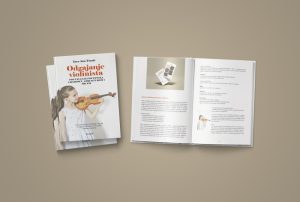
Više o ovoj i sličnim temama pročitajte u knjizi Odgajanje violinista.

Teaching beginner violinists is one of the most delicate yet most influential areas of music pedagogy. It is in the very first months of instruction that patterns are established which can either support or seriously hinder a student’s long-term technical, musical, and emotional development. Although early lessons are often filled with enthusiasm and good intentions, certain mistakes tend to recur in practice—and are later difficult to correct.
Below are five of the most common mistakes in working with beginners, along with concrete guidelines on how to avoid them.
1. Rushing Toward Sheet Music and “Real Playing”
One of the most common mistakes is directing students too early toward reading music, repertoire, and “visible results,” before the basic technical and physical foundations have been established. In the desire for the student to “play something” as soon as possible, crucial steps are often skipped: stable posture, a natural relationship between the body and the instrument, and the development of basic sound control.
How to avoid it:
The initial phase of instruction should be understood as a period of preparation, not production. Sound, movement, and a sense of security come before notation. When the body is ready and the ear is active, reading music follows more naturally and with less resistance.
2. Treating Technique as an Isolated Goal
Technique is often taught in a fragmented way—as a set of rules the student must execute “correctly.” This approach can lead to tension, fear of making mistakes, and a loss of musical curiosity.
How to avoid it:
Technique should be taught as a means of expression, not as an end in itself. Every technical element has a purpose: a more beautiful tone, easier phrasing, greater freedom of movement. When students understand why they are doing something, technique becomes more meaningful and sustainable.
3. Overloading the Lesson with Information
Beginners are particularly sensitive to the amount of information they receive. Too many corrections, verbal explanations, and simultaneous demands can lead to confusion, loss of focus, and a sense of failure.
How to avoid it:
Less is more. Each lesson should clearly focus on one or two priorities. Learning happens through repetition and experience, not through the quantity of words spoken. One clearly established habit is more valuable than five superficially addressed topics.
4. Neglecting the Role of Parents
Parents of beginners often want to help but do not know how. If they are not involved, or if they lack clear guidance, practice at home can become a source of frustration—for both the child and the parent.
How to avoid it:
Parents should be seen as partners in the process. Clear, simple communication about practice routines, goals, and expectations creates a safer environment for the student. The emphasis should be on support and encouragement, not correction.
5. Ignoring the Emotional Aspect of Learning
Beginners are not only learning to play an instrument—they are also developing their relationship to music, work, and their own abilities. If the emotional dimension of learning is overlooked, motivation can quickly fade.
How to avoid it:
Lessons should consciously include elements of play, success, and reflection. Small achievements should be noticed and named. A student who feels seen and safe will more readily accept challenges and persist in their work.
Conclusion
The first violin lessons are not merely an introduction—they are the foundation. Mistakes repeated at this stage often require years of later “unlearning.” On the other hand, a thoughtful, balanced, and holistic approach allows students to develop technical security, musical curiosity, and a healthy relationship to learning.
Teaching beginners is not a race, but a process. And when the process is well guided, results come naturally, steadily, and with joy.
Read more about this and other topics regarding work with violin beginners in book Growing Violinists.